Restaurant Flyer Promotion: A Practical Guide to Effective Marketing
Restaurant flyer promotion is a traditional yet effective marketing strategy that continues to play a significant role in attracting customers and building brand awareness. This method involves distributing printed materials—flyers—that highlight menu items, special offers, events, or other promotional content. While digital marketing has gained prominence, restaurant flyer promotion remains a valuable tool for reaching local audiences and creating tangible engagement.
What Makes Restaurant Flyer Promotion Distinct?
Restaurant flyer promotion stands out due to its physical presence and direct distribution methods. Unlike online ads, which rely on digital platforms, flyers are tangible and can be handed out in person, placed in mailboxes, or distributed through community channels. This approach allows for a more personal touch, as the design and messaging can be tailored to specific neighborhoods or customer segments.
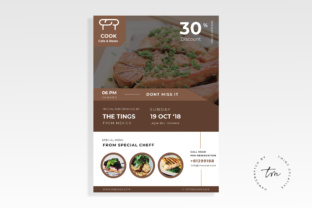
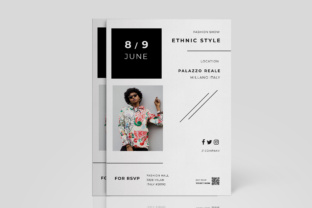
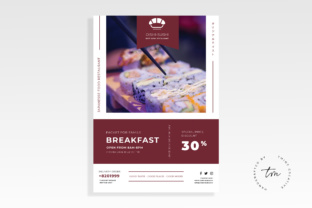
The use of high-quality design elements, such as AI EPS files, ensures that the visual appeal of the flyer meets professional standards. These files allow for scalable graphics without loss of quality, making them ideal for printing at various sizes. When designing a flyer, attention to detail is crucial, including proper bleed settings (A4 size 8.27×11.69 inch), CMYK color mode, and 300 DPI resolution for sharp print results.
Comparing Restaurant Flyer Promotion with Digital Alternatives
While digital marketing offers broader reach and analytics, restaurant flyer promotion provides a unique advantage in local engagement. Social media campaigns, email newsletters, and online ads can target a wider audience, but they often lack the immediate impact of a physical flyer. For instance, a well-designed flyer displayed in a local café or handed out at a farmers’ market can create instant visibility and encourage spontaneous visits.
However, digital alternatives offer greater flexibility and cost-effectiveness in certain scenarios. Online promotions can be updated quickly, track user interactions, and reach a global audience. In contrast, restaurant flyer promotion requires planning, printing, and distribution, which may involve higher upfront costs and logistical effort. The choice between the two depends on the restaurant’s goals, target audience, and budget.
Strengths and Tradeoffs of Restaurant Flyer Promotion
One of the key strengths of restaurant flyer promotion is its ability to connect with local communities. By distributing flyers in nearby areas, restaurants can build relationships with residents and establish a sense of familiarity. This is particularly beneficial for new businesses looking to gain traction in their neighborhood.
Another advantage is the control over the message and design. With well-organized layers in design software, it’s easier to manage different elements such as text, images, and branding. This level of customization ensures that the flyer aligns with the restaurant’s overall identity and marketing strategy. Additionally, the use of specific fonts, as outlined in the read me file, helps maintain consistency across all promotional materials.
Despite these benefits, there are tradeoffs to consider. The effectiveness of a flyer depends heavily on its placement and design. A poorly designed or misplaced flyer may go unnoticed, leading to wasted resources. Moreover, the environmental impact of printed materials is a growing concern for some consumers, which may influence the decision to use this method.
When Restaurant Flyer Promotion Is the Right Choice
Restaurant flyer promotion is most effective when targeting a local audience or promoting time-sensitive offers. For example, a seasonal menu launch, a special event, or a limited-time discount can benefit from the immediate visibility of a flyer. It also works well for businesses that cater to older demographics or communities where digital engagement is less common.
Restaurants that want to create a physical presence in their area may find that flyers complement other marketing efforts. They can be used alongside social media posts, email campaigns, or online ads to reinforce brand messaging and drive traffic to the establishment.
When Other Options May Be More Suitable
In situations where a broader audience is needed, or where speed and adaptability are priorities, digital marketing may be a better fit. For instance, a restaurant launching a new dish nationwide would likely benefit more from an online campaign that can be shared across multiple platforms. Similarly, businesses with a strong online presence may find that digital tools provide more measurable results and easier adjustments.
Additionally, for restaurants focused on sustainability, reducing paper waste by opting for digital promotions could align better with their values. However, this doesn’t mean that flyer promotion should be entirely disregarded—it can still be used strategically, such as for local events or community outreach.
Realistic Examples and Practical Comparisons
Consider a family-owned Italian restaurant looking to attract new customers in its neighborhood. A well-designed flyer with clear information about daily specials and a friendly tone could be distributed at local grocery stores, libraries, and community centers. This approach builds trust and creates a sense of connection with the community.
In contrast, a chain of fast-casual eateries might focus on digital marketing to reach a larger audience. Their strategy could include targeted social media ads, loyalty programs, and online ordering options. While this approach offers scalability, it may not foster the same level of personal engagement as a local flyer campaign.
For a small bistro aiming to promote a weekend jazz night, a combination of both methods could be ideal. A flyer distributed in the surrounding area could generate interest, while a social media post could extend the reach to a wider audience. This hybrid approach leverages the strengths of each method while addressing potential limitations.
Decision Factors for Choosing Restaurant Flyer Promotion
When deciding whether to use restaurant flyer promotion, several factors should be considered. These include the target audience, the nature of the promotion, the budget, and the desired outcome. For example, a local bakery may find that flyers are more effective for promoting fresh-baked goods than an online ad, as the physical product can be showcased visually.
It’s also important to evaluate the competition. If other restaurants in the area are using similar strategies, a well-executed flyer can help stand out. However, if the market is saturated with digital ads, a flyer may need to be more creative or unique to capture attention.
Ultimately, the success of restaurant flyer promotion depends on thoughtful planning, quality design, and strategic distribution. By understanding the strengths and limitations of this method, businesses can make informed decisions that align with their goals and audience needs.