Wood Font Four: A Stylish Choice for Nature-Inspired Design
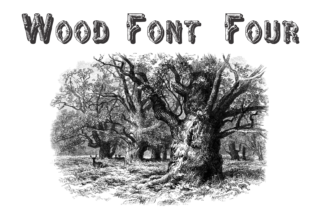
Wood Font Four is a display and decorative font that draws inspiration from the natural texture of wood. Designed with a focus on visual appeal, it offers a unique aesthetic that can enhance the look of any project related to nature, environmental themes, or rustic design. This font is particularly well-suited for use in headings, logos, and other prominent text elements where a strong visual presence is desired.
What Is Wood Font Four?
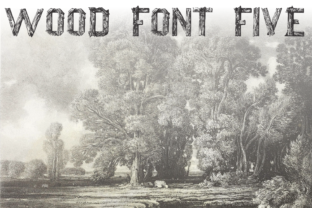
Wood Font Four is a typeface that incorporates the organic feel of wood into its design. The font features rough edges, irregular shapes, and a handcrafted appearance that mimics the look of carved or weathered wood. This distinctive style makes it stand out from more traditional fonts, offering a fresh and creative alternative for designers looking to add a natural element to their work.
The font is available in multiple weights and styles, allowing users to choose the version that best suits their needs. Whether you're working on a website, print material, or digital media, Wood Font Four provides a versatile option that can be adapted to various design contexts.
Why Someone Might Be Interested in Wood Font Four
Designers and developers who are working on projects related to nature, sustainability, or outdoor themes may find Wood Font Four to be an appealing choice. Its visual characteristics make it ideal for branding, marketing materials, and creative projects that aim to evoke a sense of authenticity and connection to the natural world.
Additionally, those looking for a font that adds character and personality to their designs may appreciate the unique qualities of Wood Font Four. It can help differentiate a project from others that use more standard or modern fonts, making it a valuable tool for standing out in a competitive design landscape.
Benefits of Using Wood Font Four
One of the primary benefits of Wood Font Four is its ability to convey a sense of warmth and authenticity. The font's design elements can create a visual narrative that aligns with themes of nature, craftsmanship, and simplicity. This makes it particularly effective for projects that aim to communicate a message of sustainability or environmental responsibility.
Another advantage is its versatility. While it is primarily a display font, it can be used in a variety of contexts, including web design, posters, banners, and social media graphics. Its bold and eye-catching style ensures that it commands attention, making it suitable for headlines and other prominent text elements.
Tradeoffs and Considerations
Despite its strengths, Wood Font Four may not be the best choice for every project. One potential limitation is its readability. Due to its decorative nature, the font may be difficult to read in large blocks of text. As such, it is generally recommended for use in short phrases, titles, or other limited text applications rather than body copy.
Another consideration is the availability of the font. Depending on the platform or software being used, access to Wood Font Four may be limited. Users should verify compatibility with their design tools and ensure that the font is properly licensed for their intended use.
Situations Where Wood Font Four Is a Strong Fit
Wood Font Four is particularly well-suited for projects that require a strong visual identity rooted in nature or environmental themes. For example, it could be used in the branding of eco-friendly products, conservation organizations, or outdoor adventure companies. Its aesthetic can also enhance the look of websites, brochures, and promotional materials that aim to reflect a rustic or handmade quality.
In addition, the font is ideal for creative projects that benefit from a unique and artistic touch. Whether designing a logo, a book cover, or a social media campaign, Wood Font Four can add a distinctive flair that sets the design apart from others.
Situations Where Alternatives May Be Worth Considering
For projects that prioritize clarity and readability, alternatives to Wood Font Four may be more appropriate. Fonts such as Arial, Helvetica, or Georgia offer a clean and professional look that is better suited for body text and long-form content. In these cases, using a more conventional font can improve the overall user experience and ensure that the message is effectively communicated.
Additionally, if a project requires a more modern or minimalist aesthetic, other decorative fonts may be more suitable. Fonts like Playfair Display or Great Vibes offer a different style that can complement contemporary design trends while still providing a decorative element.
Practical Decision-Making Insights
When deciding whether to use Wood Font Four, it is important to consider the specific goals of the project. If the primary objective is to create a strong visual impact with a natural theme, then the font can be a valuable asset. However, if the focus is on readability or a more neutral design, alternatives may be more appropriate.
It is also advisable to test the font in different contexts before committing to its use. Experimenting with how it appears in various sizes, colors, and backgrounds can help determine whether it meets the needs of the project. Additionally, checking for proper licensing and ensuring that the font is compatible with the chosen design tools can prevent potential issues down the line.
Ultimately, Wood Font Four offers a unique and visually engaging option for designers seeking to incorporate a natural aesthetic into their work. By carefully evaluating its strengths and limitations, users can make informed decisions about whether it aligns with their creative and functional goals.