Dirty Rock
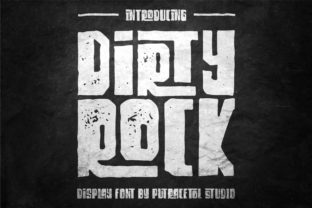
Dirty Rock is a bold and expressive display font that brings a raw, edgy aesthetic to any design project. Its distinctive texture and irregular strokes make it stand out, offering a unique visual language that resonates with modern creative audiences. For designers seeking to infuse energy and authenticity into their work, Dirty Rock provides a powerful tool for visual storytelling.
In the realm of graphic design, typography plays a crucial role in shaping brand identity and user experience. Dirty Rock excels in this space by adding a sense of grit and character that can elevate everything from logos to social media posts. Its versatility makes it an ideal choice for projects that require a strong visual impact without sacrificing clarity.
Applications in Branding and Design
When used in branding and logo design, Dirty Rock can help create a memorable and distinctive identity. Its rugged appearance works well for brands targeting a youthful or alternative audience, such as music festivals, streetwear labels, or indie publications. Pairing it with a clean sans-serif font can balance its intensity while maintaining visual harmony.
Marketing materials benefit from Dirty Rock’s ability to command attention. Whether designing posters, flyers, or banners, this font adds a dynamic edge that captures the viewer’s interest. It’s particularly effective in campaigns that aim to evoke a sense of rebellion, freedom, or artistic expression.
Enhancing Digital and Print Media
In web design and UI development, Dirty Rock can be used for headings, call-to-action buttons, or section titles to add a touch of personality. However, it’s important to ensure readability at smaller sizes and consider the overall layout to avoid overwhelming the user. When paired with appropriate spacing and contrast, it can enhance the visual hierarchy without compromising usability.
For print design, including packaging and merchandise, Dirty Rock offers a way to differentiate products on the shelf. Its textured look translates well to physical formats, making it a popular choice for t-shirts, stickers, and product labels. The font’s character adds a handcrafted feel that appeals to consumers looking for authenticity.
Best Practices for Using Dirty Rock
To maximize the effectiveness of Dirty Rock, consider the following tips:
- Use it strategically: Apply it to headlines, logos, or key visual elements rather than body text to maintain legibility.
- Balance with simplicity: Pair it with clean, neutral fonts to prevent visual clutter and ensure the message remains clear.
- Test across mediums: Check how it appears in both digital and print formats to ensure consistency and quality.
Understanding your audience is essential when selecting design elements. Dirty Rock may not be suitable for formal or corporate environments, but it shines in creative, expressive, or youth-oriented contexts. By aligning the font’s characteristics with your design goals, you can achieve a more impactful and cohesive result.
Ultimately, thoughtful design choices contribute to stronger communication and a more engaging user experience. Whether you're working on a logo, a social media campaign, or a product package, incorporating Dirty Rock can add a layer of authenticity and creativity that sets your work apart. With the right approach, this striking font can become a valuable asset in your design toolkit.