Machina G: A Bold Typewriter Font for Creative Projects
Machina G is a typewriter-style font that stands out for its distinctive aesthetic and versatility. Designed with a retro, mechanical feel, it brings a sense of authenticity and character to any design project. Whether used in print or digital formats, Machina G can add visual interest and a unique personality to logos, posters, book covers, and more.
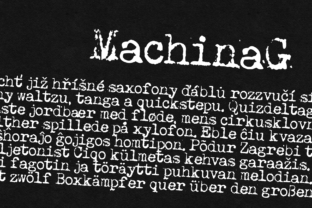
The font’s design elements reflect the era of manual typewriters, with subtle imperfections and a slightly uneven baseline that mimic the look of hand-typed text. This makes it ideal for projects that aim to evoke nostalgia, craftsmanship, or a vintage atmosphere. However, its appeal extends beyond just retro themes, as it can also work well in modern contexts where a bold, eye-catching typeface is needed.
What Makes Machina G Unique?
Machina G distinguishes itself through its combination of style and functionality. Unlike many other typewriter fonts that may prioritize a specific historical period, Machina G offers a balanced approach that works across a range of applications. Its letterforms are clear and legible, even at smaller sizes, which is a key consideration for designers who need to maintain readability without sacrificing style.
One of the font’s most notable features is its attention to detail. The subtle variations in stroke weight and the slight irregularities in letter spacing give it a handmade quality that sets it apart from more rigid, machine-like fonts. These characteristics make it particularly effective for projects that require a personal or artisanal touch.
Additionally, Machina G supports a wide range of characters, including uppercase and lowercase letters, numbers, punctuation, and special symbols. This broad character set ensures that it can be used in various design scenarios, from short headlines to longer blocks of text, without requiring additional font files or substitutions.
Comparing Machina G to Similar Fonts
When considering typewriter-style fonts, there are several alternatives that designers might explore. Fonts like Courier, Terminal, or Monaco are often used for coding, technical documents, or minimalist designs. These fonts tend to have a more uniform appearance, which can be advantageous in certain contexts but may lack the visual flair that Machina G provides.
Other typewriter-inspired fonts, such as Bebas Neue or Signika, focus more on boldness and modernity rather than the mechanical aesthetic. While these fonts can be highly effective for branding or display purposes, they may not offer the same level of historical or tactile authenticity as Machina G.
In contrast, Machina G strikes a balance between tradition and adaptability. It retains the charm of a typewriter while remaining functional for contemporary design needs. This makes it a strong choice for projects that require both visual impact and practical usability.
Best Use Cases for Machina G
Machina G is particularly well-suited for projects that benefit from a vintage or artisanal look. For example, it can be used in the design of album covers, movie posters, or event flyers where a retro vibe enhances the overall theme. Its bold strokes and distinct character make it ideal for headlines, titles, and other prominent text elements that need to stand out.
Another area where Machina G excels is in logo design. When used sparingly, it can add a sense of authenticity and uniqueness to a brand’s identity. However, it’s important to note that due to its stylized nature, it may not be the best choice for all types of logos. In cases where clarity and simplicity are paramount, a more straightforward font might be preferable.
For book covers, especially those in genres like mystery, historical fiction, or independent publishing, Machina G can create a striking visual effect. Its ability to convey a sense of timelessness or craftsmanship can help differentiate a book from others in a crowded market.
Limitations and Tradeoffs
While Machina G has many strengths, it is not without its limitations. One potential drawback is that its stylized appearance may not be suitable for all design environments. In professional or formal settings, where a clean and neutral typeface is preferred, Machina G could come across as too unconventional or distracting.
Additionally, because of its typewriter-like design, it may not be as effective for long-form text. The slight irregularities in letter spacing and stroke weight, while charming in short bursts, can reduce readability when used in extended paragraphs. For this reason, it is generally recommended for use in headings, captions, or decorative elements rather than body text.
Another consideration is the availability of the font. While Machina G may be accessible through various font platforms, users should verify licensing terms and ensure that it is appropriate for their intended use, whether personal, commercial, or creative.
When to Choose Machina G
Machina G is an excellent choice for designers looking to add a unique, vintage-inspired element to their work. If the goal is to create a sense of history, craftsmanship, or individuality, then Machina G can be a powerful tool. It is particularly useful when the design concept revolves around retro aesthetics, storytelling, or artistic expression.
For instance, if a designer is working on a project that requires a handwritten or typewritten feel—such as a custom wedding invitation, a limited-edition magazine, or a themed marketing campaign—Machina G can provide the right visual tone. Its ability to evoke a sense of authenticity can enhance the emotional impact of the design.
However, if the project demands a more neutral or modern look, alternative fonts may be more appropriate. In such cases, the decision should be based on the specific goals of the design, the target audience, and the overall visual language being used.
Conclusion: Is Machina G Right for You?
Machina G offers a compelling blend of style and functionality that can enhance a wide range of design projects. Its typewriter-inspired aesthetic makes it a versatile option for creatives seeking to add character and personality to their work. However, its suitability depends on the context and the specific needs of the project.
By understanding its strengths, limitations, and best-fit scenarios, designers can make informed decisions about whether Machina G is the right choice for their work. Whether used as a primary typeface or as a complementary element, it has the potential to elevate the visual appeal of any design. Ultimately, the decision should be guided by the creative vision and practical requirements of the project.