The Circus: A Playful Display Font for Creative Expression
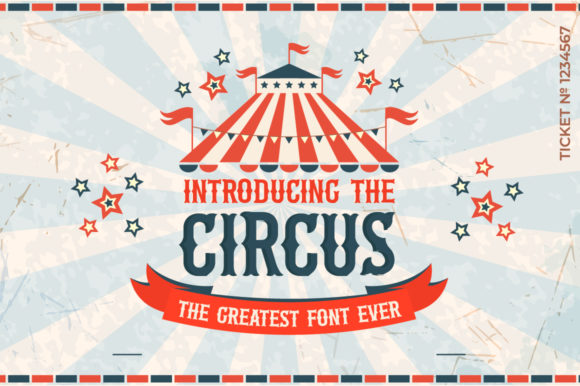
The Circus is a display font that captures the essence of playful entertainment with its charming, classically joyful aesthetic. Designed for those who seek to infuse their work with a sense of whimsy and nostalgia, The Circus stands out as a versatile option for projects that require a touch of lightheartedness without sacrificing style.
Unlike many modern fonts that prioritize minimalism or sharp edges, The Circus embraces a more rounded, hand-drawn appearance. This gives it a unique personality that feels both nostalgic and contemporary. Its character design often features exaggerated curves and expressive details, making it ideal for branding, packaging, and other visual elements where a friendly, engaging tone is desired.
What Makes The Circus Distinct?
The Circus distinguishes itself through its ability to evoke a sense of fun and spontaneity. Its design draws inspiration from traditional circus aesthetics—think vintage signs, carnival banners, and playful typography from the early 20th century. This makes it particularly well-suited for creative industries such as event planning, marketing, and graphic design.
One of the key strengths of The Circus is its readability in larger sizes. While it may not be the best choice for body text, it shines when used as a headline or logo. Its bold strokes and dynamic shapes make it easy to recognize at a glance, which is essential for eye-catching designs.
Another notable feature is its adaptability. The Circus can be used in a variety of contexts, from children's books to promotional materials for live events. Its versatility allows designers to experiment with different layouts and compositions while maintaining a cohesive visual theme.
How The Circus Compares to Similar Fonts
When compared to other playful display fonts, The Circus offers a more balanced approach between creativity and functionality. Fonts like Bebas Neue or Lobster are also popular choices for similar purposes, but they tend to have a more rigid structure or a more extreme stylistic flair. The Circus, on the other hand, strikes a middle ground, offering a relaxed yet structured look that can fit into a wider range of design projects.
In contrast to serif fonts that convey tradition and formality, The Circus leans into a more informal, energetic vibe. It’s less about elegance and more about capturing the spirit of celebration and excitement. This makes it a strong alternative for designers looking to break away from conventional typography without losing clarity or impact.
For those who prefer a more modern take, The Circus may not be the first choice. Fonts like Montserrat or Roboto offer clean, geometric lines that appeal to a broader audience. However, if the goal is to create a design that feels warm and inviting, The Circus can provide a refreshing contrast to these more neutral options.
Best Fit Situations for The Circus
The Circus is most effective in scenarios where the visual identity needs to reflect a sense of joy, energy, or nostalgia. For example, it could be used in the branding of a children's event, a themed restaurant, or a local fair. Its playful nature helps to establish a connection with the target audience, making it an excellent choice for projects that aim to engage and entertain.
It also works well in digital media, such as social media posts, website headers, or app interfaces that require a friendly, approachable look. When paired with complementary colors and imagery, The Circus can help create a cohesive and memorable brand presence.
However, it’s important to consider the context in which The Circus will be used. In professional settings where a more serious tone is required, this font may not be appropriate. Similarly, in environments where clarity and precision are critical, such as technical documentation or legal materials, The Circus might not be the best fit.
Tradeoffs and Limitations
While The Circus has many advantages, it also comes with some tradeoffs. One of the main limitations is its suitability for small-scale applications. Due to its stylized design, it may not render clearly at very small sizes, which can affect readability in certain formats.
Another consideration is the availability of variations. Unlike some widely used fonts, The Circus may not have extensive weights or styles available. This can limit the flexibility for designers who need to adjust the font for different parts of a project.
Additionally, the font’s unique character may not align with all design themes. If the overall look of a project is minimalist or highly structured, The Circus could feel out of place. It’s important to evaluate how well it complements the rest of the visual elements before committing to its use.
When to Choose The Circus vs. Other Options
Choosing The Circus over other fonts depends largely on the goals of the project. If the primary objective is to create a fun, engaging visual identity, then The Circus is an excellent choice. It brings a sense of personality and charm that can elevate the overall design.
On the other hand, if the focus is on professionalism, simplicity, or broad accessibility, other fonts may be more suitable. For instance, a corporate website might benefit more from a clean sans-serif font like Open Sans or Lato, which provides a modern and reliable appearance.
Designers should also consider the target audience. A younger demographic may respond more positively to The Circus, while an older or more conservative audience might prefer a more traditional typeface. Understanding the preferences of the intended users can help determine whether The Circus is the right fit.
Realistic Examples and Use Cases
Imagine a local theater company promoting a family-friendly play. Using The Circus as the main headline could instantly communicate the event’s playful and inclusive nature. Paired with bright colors and illustrations, the font would help create a visually appealing and inviting poster.
Alternatively, a boutique coffee shop looking to stand out in a competitive market might use The Circus in its logo and signage. The font’s cheerful appearance would reinforce the brand’s friendly and welcoming atmosphere, encouraging customers to return.
In contrast, a law firm or financial institution would likely avoid The Circus in favor of a more formal typeface. The font’s informal style would not align with the values of professionalism and trust that these businesses aim to convey.
Conclusion: Is The Circus Right for You?
The Circus is a compelling option for those seeking a display font that blends playfulness with character. Its unique design and expressive qualities make it ideal for creative projects that benefit from a lively and engaging visual presence.
However, it’s important to weigh its strengths against the specific needs of the project. If the goal is to create a design that feels warm, entertaining, or nostalgic, The Circus can be a powerful tool. For more traditional or functional applications, other fonts may be more appropriate.
Ultimately, the decision to use The Circus should be based on how well it aligns with the overall vision and audience of the project. By considering its characteristics, limitations, and potential applications, designers can make an informed choice that enhances their work effectively.