Space Squadron: A Bold, Angular Sci-Fi Font for High-Impact Designs
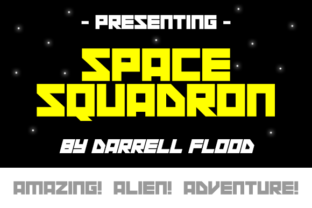
Space Squadron is a distinctive angular sci-fi font that stands out with its high-impact, squarish design. It’s ideal for projects requiring a strong visual identity tied to robot, space, and tech themes. The font’s sharp lines and geometric structure give it a futuristic edge, making it a popular choice for branding, signage, and digital interfaces in the sci-fi and tech industries.
Unlike many other sci-fi fonts that lean toward more organic or fluid shapes, Space Squadron embraces a rigid, mechanical aesthetic. This makes it particularly well-suited for designs that aim to convey precision, strength, and innovation. Its clean, structured look also ensures readability even at smaller sizes, which is a key consideration for functional applications like UI elements or product labels.
What Makes Space Squadron Unique?
One of the defining characteristics of Space Squadron is its angular, almost robotic appearance. Each letterform is built with sharp corners and consistent proportions, creating a sense of order and control. This style contrasts with more stylized or decorative sci-fi fonts that often prioritize flair over clarity.
The font’s squarish structure gives it a modern, industrial feel. This makes it an excellent fit for brands or products aiming to project a sense of technological advancement. Whether used in a logo, website header, or app interface, Space Squadron can help establish a strong visual identity that aligns with cutting-edge themes.
Another notable feature is its versatility. While it has a clear sci-fi and tech orientation, it can also be adapted for other contexts where a bold, no-nonsense look is desired. For example, it might be used in corporate communications, military-themed projects, or even in editorial layouts that require a striking headline font.
How Space Squadron Compares to Similar Options
When considering alternatives to Space Squadron, it’s important to evaluate how different fonts align with specific design goals. Other sci-fi or tech-oriented fonts may offer similar aesthetics but with varying degrees of readability, adaptability, and visual impact.
Fonts like Orbitron or Bebas Neue share some similarities with Space Squadron in terms of their bold, angular styles. However, they tend to have a more minimal or rounded approach, which can make them less suitable for projects that require a strictly mechanical or industrial look. Space Squadron’s more rigid structure sets it apart in this regard.
On the other hand, fonts such as Star Jedi or Pixelify Sans are more playful or retro-inspired, often leaning into nostalgic sci-fi themes. While these can be effective for certain creative projects, they may not provide the same level of professionalism or high-impact presence that Space Squadron offers.
For designers working on projects that demand a balance between futuristic appeal and functional clarity, Space Squadron offers a compelling middle ground. It avoids the overly stylized nature of some alternatives while still delivering a strong visual statement.
Strengths and Best-Fit Situations
Space Squadron excels in scenarios where a bold, structured font is needed to reinforce a theme or message. Its clean, angular design makes it particularly effective for logos, titles, and headings in tech-related content. It can also be used in user interfaces, especially in applications that target a younger, tech-savvy audience.
One of the key strengths of Space Squadron is its ability to maintain legibility across different sizes and mediums. This makes it a practical choice for both print and digital formats. Whether used in a large banner or a small icon, the font retains its clarity and impact without losing its defining characteristics.
It’s also well-suited for projects that require a consistent visual language. For instance, in a series of promotional materials for a robotics company, using Space Squadron across all assets can help create a cohesive brand identity. Its uniformity and strength make it a reliable choice for maintaining visual consistency.
Tradeoffs and Limitations
While Space Squadron is a powerful tool for many design projects, it may not be the best fit for every situation. Its rigid, angular style can sometimes come across as too harsh or unapproachable, depending on the context. In more casual or creative environments, a softer or more expressive font might be more appropriate.
Additionally, because of its strong geometric structure, Space Squadron may not pair well with other fonts that have a more organic or flowing shape. Designers should consider how the font interacts with other elements in a layout to ensure a balanced and harmonious composition.
There’s also the matter of accessibility. While the font is readable, its tight spacing and sharp edges may pose challenges for users with visual impairments. In such cases, alternative fonts with greater contrast or larger x-heights may be more suitable.
When to Choose Space Squadron
Space Squadron is an excellent choice when the goal is to convey a sense of strength, precision, and futurism. It works well for brands, products, or projects that want to emphasize technological innovation, military efficiency, or industrial power. Its high-impact design makes it ideal for headlines, logos, and other prominent visual elements.
If your project involves space exploration, robotics, or advanced technology, Space Squadron can help reinforce the thematic elements of your design. It provides a visual language that resonates with audiences who are familiar with sci-fi and tech culture, making it a strong option for niche or specialized markets.
It’s also a good choice when you need a font that can stand on its own without requiring extensive styling or modification. Its clean, structured look means it can be used effectively in a wide range of applications without needing additional enhancements to maintain its visual appeal.
When to Consider Alternatives
If your project requires a more flexible or varied visual style, you may find that other fonts better suit your needs. For example, if you’re designing for a broader audience or a more general brand, a font with a more neutral or adaptable look could be more effective.
In cases where a softer or more expressive tone is needed, alternatives like Roboto or Open Sans might be more appropriate. These fonts offer a clean, modern aesthetic without the rigid, angular qualities of Space Squadron. They can provide a more approachable and versatile option for a wider range of design contexts.
For creative or artistic projects, fonts with more unique or decorative elements may be preferable. These can add personality and visual interest without sacrificing readability. However, they may not deliver the same level of high-impact presence that Space Squadron offers.
Conclusion: Making the Right Choice
Space Squadron is a strong, angular sci-fi font that delivers a high-impact, futuristic look. Its structured design and readability make it a practical choice for a variety of applications, especially those involving tech, space, or robot themes. However, its rigid aesthetic may not be suitable for all design situations.
When evaluating fonts for your project, consider the tone, audience, and purpose of your design. Space Squadron can be a powerful tool for reinforcing a strong, mechanical identity, but it’s important to weigh its strengths against potential limitations. By understanding how it compares to other options, you can make a more informed decision that aligns with your overall design goals.