Bookman: A Nostalgic Display Font
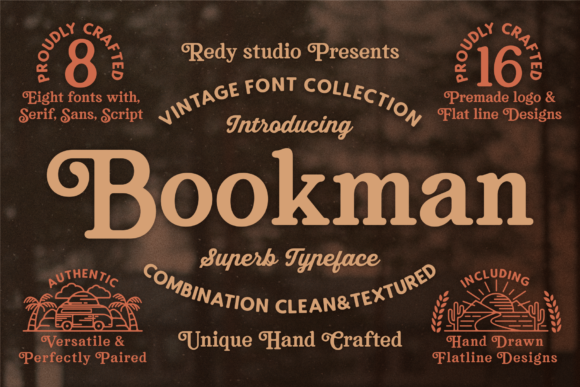
Bookman is more than just a font—it's a bridge between the past and present, offering a unique blend of elegance and character. Designed with vintage printing in mind, it brings a warm, handcrafted feel that can elevate any design project. Whether you're working on a logo, a poster, or a branding campaign, Bookman adds a touch of timeless charm that resonates with both designers and audiences.
This display font is particularly appealing for those looking to infuse their work with a sense of history and authenticity. Its subtle imperfections and organic shapes make it ideal for projects that require a personal, artisanal touch. Unlike many modern fonts that prioritize uniformity, Bookman embraces variation, making it a standout choice for creative professionals who value originality and character.
Why Bookman Stands Out
What makes Bookman so distinctive is its ability to evoke nostalgia without being overly sentimental. It strikes a balance between classic typography and contemporary design, making it versatile enough for a wide range of applications. The font’s letterforms are slightly irregular, mimicking the texture of old press prints, which gives it a tactile quality that digital fonts often lack.
For designers, this means Bookman can add depth and personality to text that might otherwise feel flat or generic. It works especially well in projects that aim to convey tradition, craftsmanship, or a connection to the past. From book covers to packaging designs, Bookman offers a visual language that speaks to both emotion and aesthetics.
Creative Applications of Bookman
One of the most compelling aspects of Bookman is its adaptability. It can be used in a variety of formats, from print to digital media, and still maintain its signature style. For example, in web design, it can be employed as a headline font to draw attention and create a memorable visual identity. In print, it can be used for brochures, posters, or even wedding invitations to add a vintage flair.
Marketers and brand strategists can also benefit from using Bookman. It can help establish a brand’s tone and personality, especially for businesses that want to communicate a sense of heritage or authenticity. A small boutique, for instance, might use Bookman in its logo to reflect its commitment to quality and craftsmanship.
How Different Users Can Leverage Bookman
Designers, educators, and content creators can all find unique ways to incorporate Bookman into their work. For educators, it can be a valuable tool for teaching typography and design history, allowing students to explore how different fonts influence perception and meaning. For bloggers and writers, using Bookman in headings or captions can add visual interest and reinforce the thematic elements of their content.
Entrepreneurs and small business owners can use Bookman to differentiate their brands in a crowded market. By choosing a font that stands out, they can create a more memorable and engaging customer experience. For example, a coffee shop might use Bookman in its signage to evoke a sense of warmth and community.
Best Practices for Using Bookman
To get the most out of Bookman, it’s important to consider how it will be used and what message it needs to convey. While it’s a strong display font, it may not be suitable for body text due to its intricate details and spacing. Instead, use it for headlines, titles, or short phrases where its visual impact can shine.
When pairing Bookman with other fonts, choose complementary typefaces that don’t compete with its character. A clean, sans-serif font like Helvetica or Arial can provide a nice contrast while keeping the overall design balanced. This approach ensures that the focus remains on the message rather than the typography itself.
Real-World Examples and Inspiration
Looking at real-world examples can help illustrate the potential of Bookman. A book publisher might use it for chapter titles to give each section a distinct, literary feel. A designer creating a portfolio site could use it for the homepage title to immediately capture the viewer’s attention and set the tone for the rest of the content.
Another practical application is in event invitations. Whether it's a wedding, a conference, or a local festival, Bookman can add a personal and elegant touch that makes the event feel more special. It’s also a great choice for seasonal promotions, such as holiday cards or back-to-school campaigns, where a nostalgic vibe can enhance the message.
Tips for Maximizing Effectiveness
To ensure that your use of Bookman is effective and audience-friendly, keep a few key considerations in mind. First, test the font across different platforms and devices to make sure it displays consistently. Second, avoid overusing it—too much of a good thing can dilute its impact. Third, pay attention to spacing and alignment to maintain readability and visual harmony.
Finally, always think about your audience. If you’re targeting a younger demographic, you might want to pair Bookman with more modern elements to strike the right balance. For an older or more traditional audience, it can be used more boldly to reinforce a sense of trust and reliability.
Conclusion: Embrace the Timeless Appeal of Bookman
Bookman is more than just a font—it’s a design choice that can bring a sense of history, character, and authenticity to your work. Whether you're a designer, marketer, educator, or entrepreneur, there are countless ways to use it effectively. By understanding its strengths and limitations, you can harness its unique qualities to create designs that stand out and resonate with your audience.
With careful consideration and creative application, Bookman can become a powerful tool in your design arsenal, helping you tell stories, build brands, and connect with people in meaningful ways.